 简体中文
 English

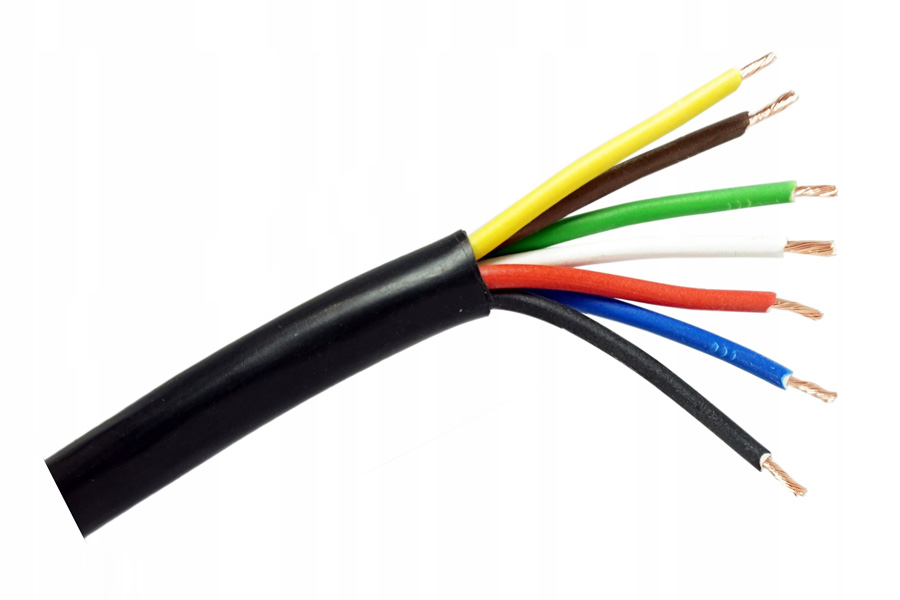
The power cord is primarily composed of three layers
A outer sheath
The outer sheath, also known as the protective sheath, is the outermost layer of a power cord. This outer sheath serves to protect the power cord and possesses strong characteristics such as high temperature resistance, low temperature resistance, resistance to natural light interference, good flexibility, long service life, and environmentally friendly materials.
B Inner sheath
The inner sheath, also known as the insulation sheath, is a layer of material wrapped around the cable between the shielding layer and the core, typically made of polyvinyl chloride (PVC) or polyethylene (PE) plastic. It is an indispensable intermediate structural part of the power cord. As the name suggests, the main function of the insulation sheath is insulation, ensuring the electrical safety of the power cord and preventing any leakage between the copper wire and the air. Moreover, the material of the insulation sheath should be soft to ensure it can be well embedded in the middle layer.
C Conductor
Common transmission conductors include metal wires made of copper and aluminum. The conductors in our power cords are generally copper wires. Copper wires primarily serve as carriers of current and voltage, and their density directly affects the quality of the power cord. The material of the power cord is also an important factor in quality control, and the quantity and flexibility of copper wires are also considered factors.